Living abroad can seem exciting, dreamy, romantic; but, much like any relationship, it’s not all sunshine and rainbows.
There are 4 commonly accepted stages of culture shock for moving to a new country. Surprisingly, Germany didn’t quite follow rules…
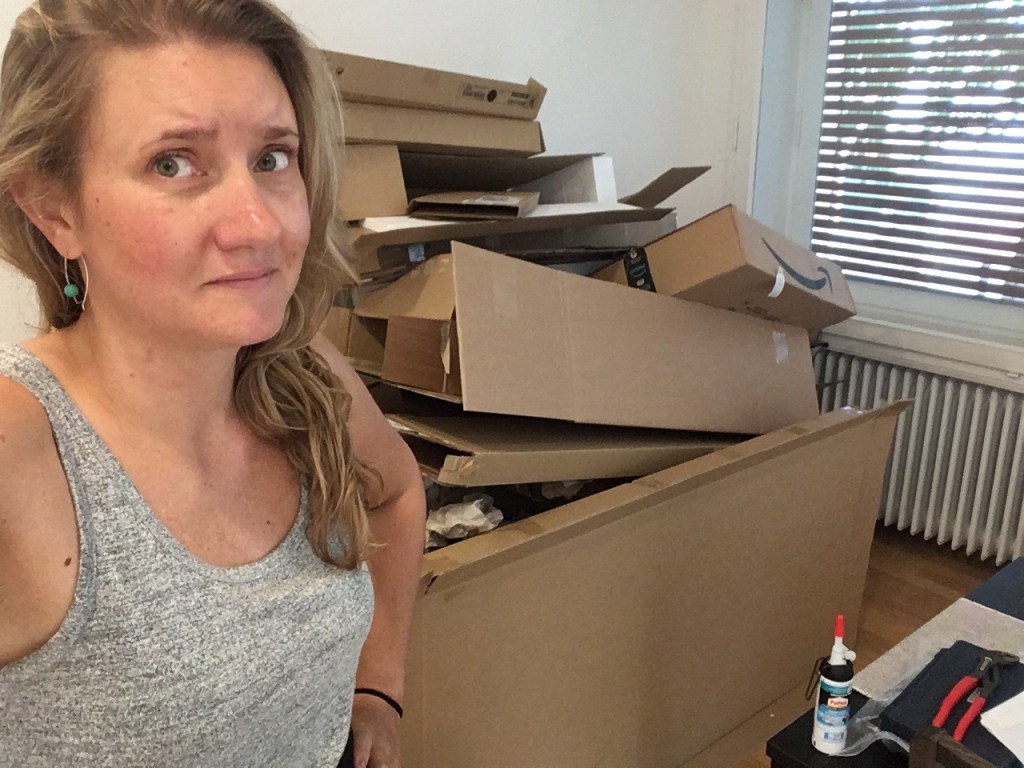
STAGE 1: HONEYMOON
This usually comes at the beginning of a move, but Germany really threw us for a loop. The first few months were a wild mix of blissful comfort AND confusion:
- Drinkable tap water, but you must buy water at restaurants?
- Local, organic produce sold at cute farmer’s markets, but not open on Sundays?
- An incredibly international city, yet everyone expects me to speak German after 2 weeks?
- Beautiful apartment, but no lights or kitchen?
- Walking and biking almost anywhere, but are there seemingly NO rules?
- Orderly government registration systems, but…who / what / when / where / how…help!?
Instead, our ‘HONEYMOON’ phase has really only come after 2 years of living in Bonn, once we really accepted that Germany is NOT the USA and it is NOT Tanzania. Things work differently here and while we are often mistaken for being German, we just aren’t.
Our delayed honeymoon has us taking last-minute advantage of some of the greatest things about Germany:
- Biking infrastructure
- Train / public transit infrastructure
- Public healthcare
- Being outside in any weather
- From our living room, we can see a bakery, flower shop, coffee shop and speciality food store…um, yes, please!
- Wonderful, easy-going, open-minded German friends that will do almost anything to help us 🙂
- International friends that can relate and joke about our ‘first world problems’


STAGE 2: FRUSTRATION
The frustration came after only a few weeks, whereas in Tanzania it came after maybe 2 YEARS. The first point in particular can quickly have you feeling like ‘ein Fisch auf dem Trockenen‘ (literally: a fish on the dry / ‘a fish out of water’).
- Lots of systems, paperwork, formalities…it’s second nature to anyone raised in Germany, so understandably we just seemed to be annoying everyone when we asked for help. Many of them are inefficient…yep, I said it!
- Meetings can be looooong because everyone is given a chance to speak and if you want to say something you will be given as much time as you want (read: throw that agenda out the window, hope you get to half the items)
- Scanning items at the grocery store is often the most intense part of the day – it’s like the cashiers are paid based on how many items they can scan per second and you are expected to throw all your things back in your cart and pay in less than 5 seconds!
- Sundays are legally a day of rest and time to be with family so all shops are closed. No grocery shopping…better be prepared
- Cash culture…better be prepared
- Customer service is not really a ‘thing’…the business is focused instead on all the people (staff, owners, etc) rather than only the ones giving them money. Tipping and commission are rare so that might also have something to do with it?
- It can takes weeks or even months to find handymen or get very simple things fixed
- Trains. Honestly, this rarely annoyed me, but did we even live in Germany if we don’t complain about the construction and lateness 😉
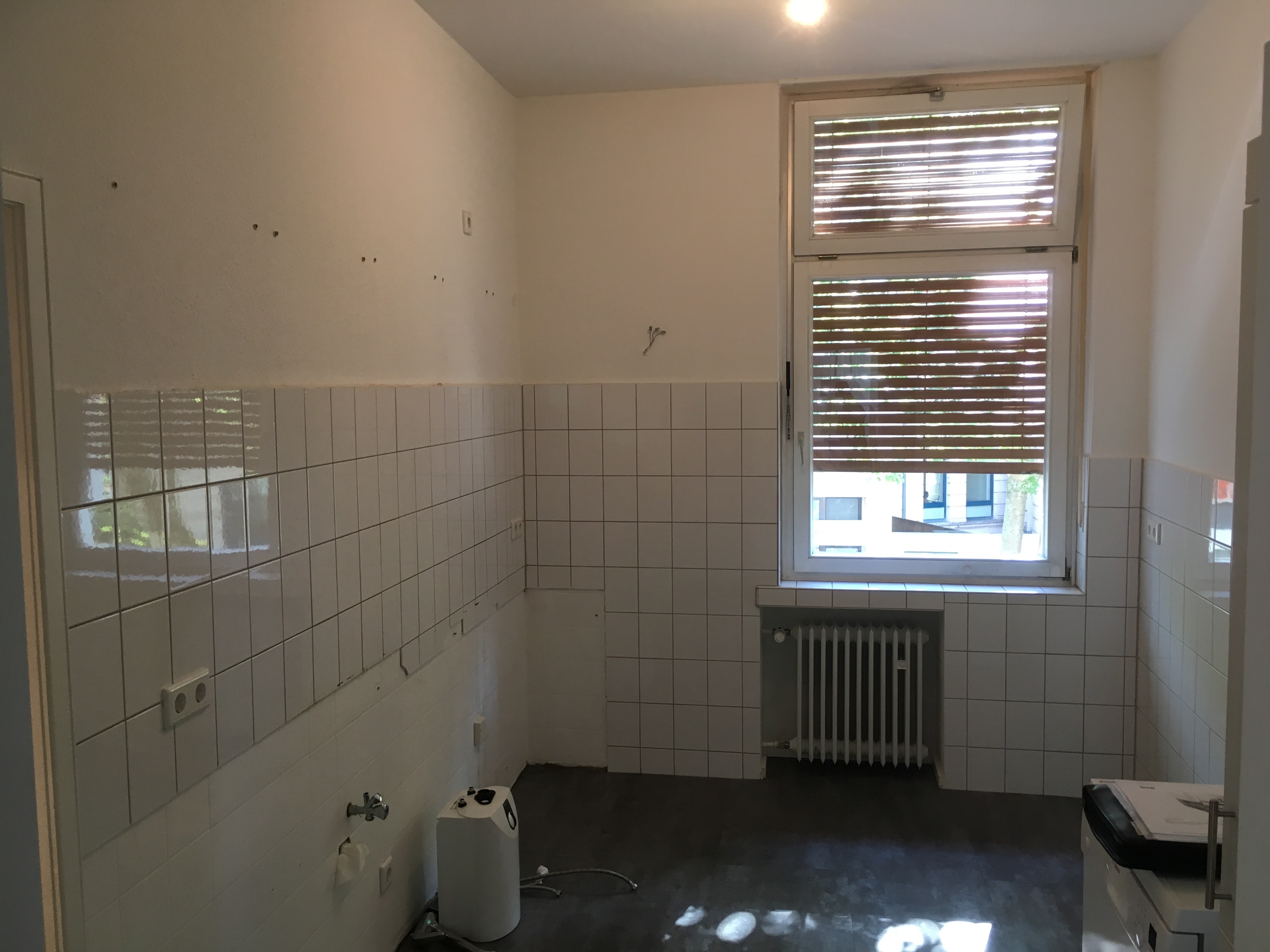
Tenants take their ENTIRE kitchen with them when they move!
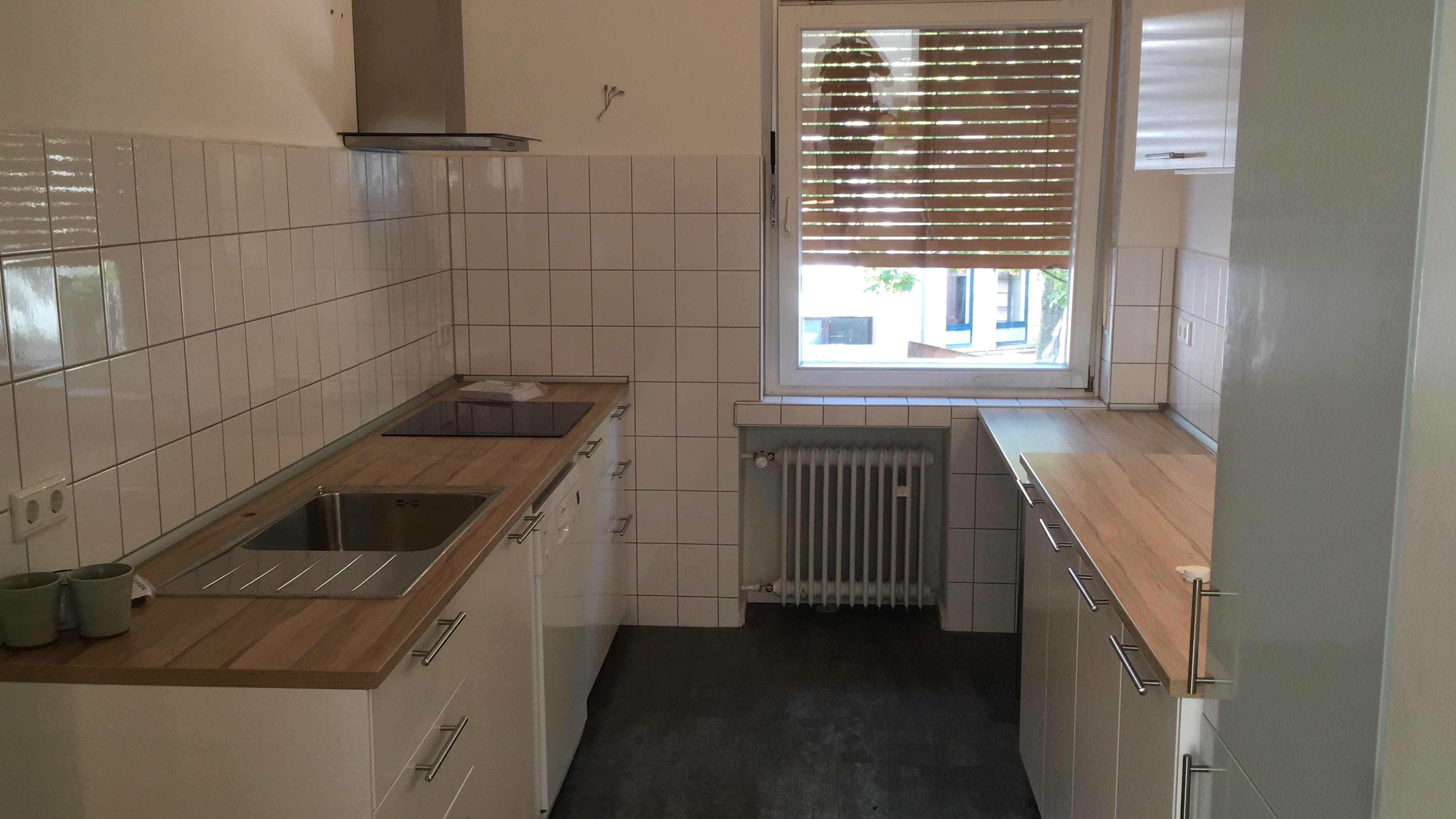
At least you get to build whatever kitchen YOU want…
STAGE 3: ADJUSTMENT
Once we were finally settled into our apartment (had a kitchen and lights installed), filed all the correct paperwork, understood our insurance and could speak more than 10 words of German, life here became extremely comfortable.
What we learned from the ‘FRUSTRATION’ stage was that you need to be a good planner to be happy in Germany. You also need helpful, patient friends that know the systems and can teach you how to navigate Deutsche Bahn, for example.
Be prepared, don’t rush, stay calm. Spontaneity is only acceptable on a beautiful, warm day after a long, dark winter 🙂
As an American, life can almost feel a bit boring at times in Germany. However, this is more than okay and learning to ‘feel bored’ is a skill I found very helpful for my students to understand as well. You find yourself enjoying the small, simple pleasures after some time here: reading, going on aimless walks, sitting and staring at the Rhine River, doing puzzles, drinking coffee on the balcony. Starting to see why people move here and never leave…
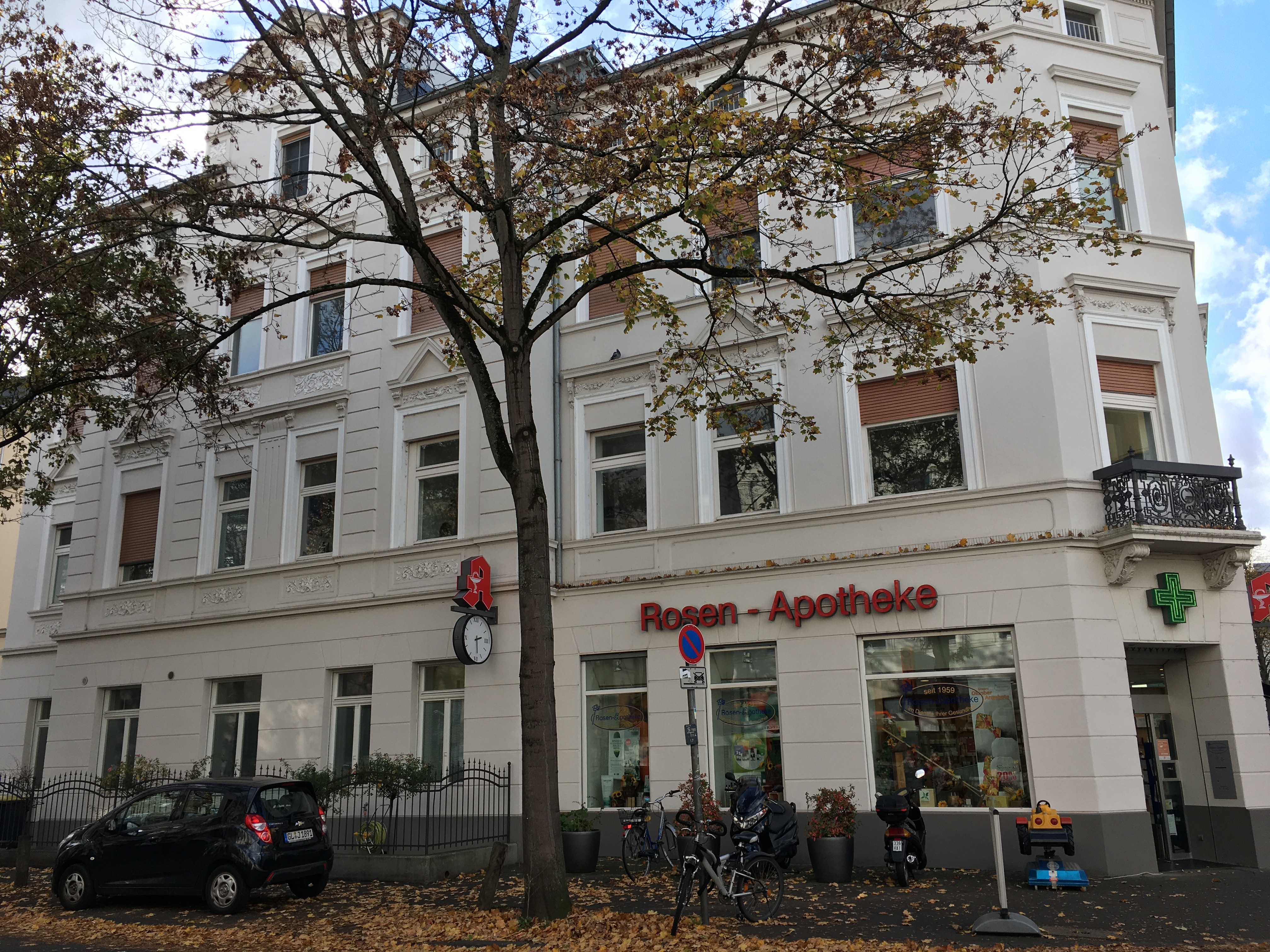
STAGE 4: ACCEPTANCE
Strangely, we didn’t make it to this stage until after a year of living in Germany and, with the upcoming move on our minds, I think we are even more reflective lately on what a comfortable, safe, charming and delightfully quirky, place Germany can be to live:
- Long-standing traditions that can be hilarious and so interesting
- Karneval, Krampus, Christmas Markets
- pooh-inspecting toilets
- rules on opening your windows for ventilation
- an obsession with BREAD
- a 500 year old beer purity law
- autobahn speeds
- Privacy is a right and is deeply respected by neighbors, co-workers, corporations…everyone
- Publicly-funded broadcasting/news
- Multi-party system
- Generally, Germans are not superficial and they value you being able to make choices you want to make rather than expecting you to look or act a certain way. You will, for example, never be judged based on how much money you make or your profession.
- Children are taught how to react and respond safely to challenges, versus in the US where risks are minimized or totally eliminated. Children have agency. Problem-solving skills and independence are highly valued from a very early age.
- If you are interested in this topic, I high recommend the book ‘Achtung Baby: An American Mom on the German Art of Raising Self-Reliant Children‘
- Being deliberate and thoughtful with every action in your life:
- Where does my food come from? Where does my electricity come from? What impact will having children have on my community, family and climate change? Am I supporting local businesses? Am I living a sustainable life? Do I need to take time off from work for my physical OR mental health?
Living in Germany for 2+ years has been challenging in a few ways, but has also helped us to slow-down and think deeply about complex issues like personal values, community and politics/government. We will always be grateful to have been in Germany during the beginning of the Covid-19 pandemic as well (not enough time to go into this, but here’s a start Germany’s Science Communication About Covid)
It almost feels like now, finally we are in the ‘HONEYMOON’ stage, just as we are preparing to move again. We will treasure our time in Bonn for helping us be more purposeful and also for reminding us to enjoy the little things in life. ‘Es sind die kleinen Dinge im Leben’…right?


NERD ALERT:
Waste is a big topic in Germany and something most people we know here take personal responsibility for. Germany is considered one of the most efficient countries when it comes to waste management:
- 1,395 pounds of waste per person per year generated in Germany
- 68% is recycled (most in the world)
- Recycling is a big part of life here, but living with less (REDUCE, REFUSE) is also very commonplace
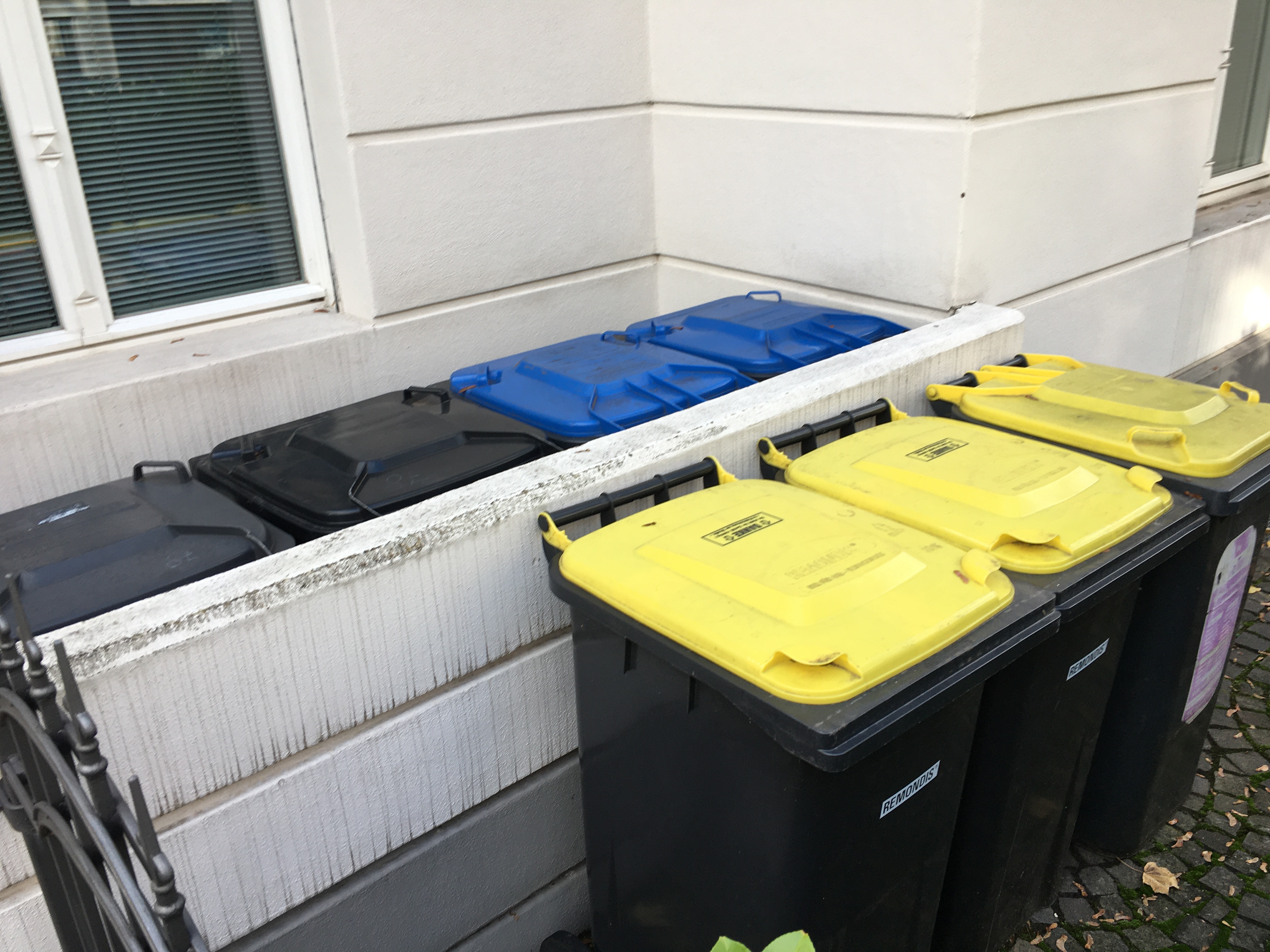
- Our trashcans (see pic) are shared with 4 apartments, a pharmacy and small law office. Each can is about half the size of a can in the US. Recycling and regular trash are taken about TWICE A MONTH.
- 1,646 pounds of waste per person per year generated in America
- 35% is recycled
 Karibuni Vietnam, Y'all